What Affects the Cost to Ship a Car Cross Country
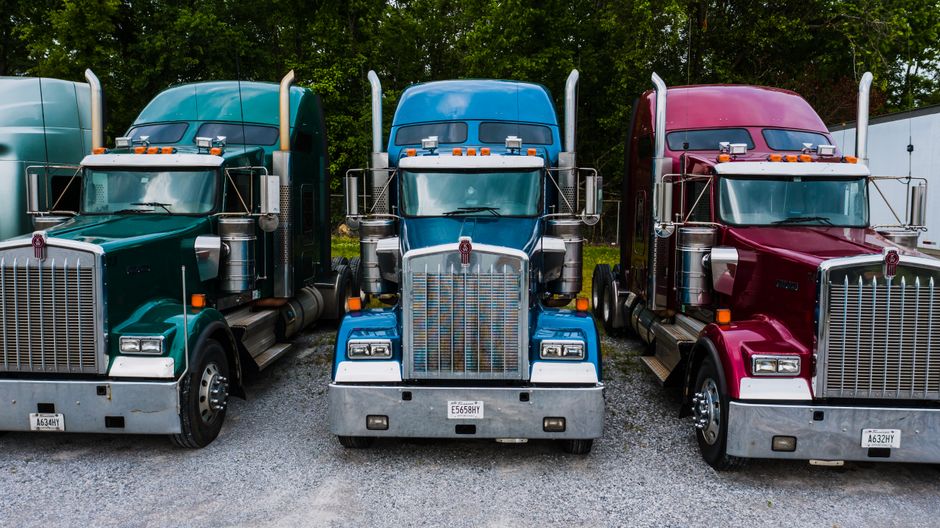
Car shipping quotes vary a lot from one shipment to the next, and it is not random. Here is what actually goes into a cross-country price, so a quote makes more sense once you have it.
Distance Comes First, But Not in a Straight Line
Distance is the starting point for any car shipping price, but the relationship is not perfectly linear. Many quotes work out to a lower cost per mile on longer routes than on shorter ones, since a good part of the cost of any shipment comes from getting a carrier out to the pickup location in the first place, not just the miles that follow.
The specific route matters too. A corridor with a lot of regular carrier traffic tends to price differently than a route between two smaller, less-traveled areas, even at a similar distance.
This is one reason two shipments of a similar distance can come back with noticeably different quotes. It is not a sign that one quote is wrong, just that the routes behind them are not really the same trip.
Vehicle Size, Weight and Condition
A larger or heavier vehicle takes up more room on a carrier, which affects how many vehicles fit on that trip and, in turn, the price.
An inoperable vehicle, meaning one that cannot be driven, steered or braked under its own power, generally costs more to ship as well, since it needs a winch and extra handling to load and unload safely.
A two-door commuter car and a full-size pickup truck are not going to cost the same to ship, even over the exact same route, simply because of how much trailer space each one takes up.
Open vs. Enclosed Transport
Open carrier transport is the standard, more economical option, since more vehicles fit on an open trailer and split the cost of the trip.
Enclosed transport costs more because fewer vehicles fit per trailer, but it protects your vehicle from weather and road debris for the entire trip, which matters more for a delicate, exotic or luxury vehicle.
For most everyday vehicles, open transport is the practical choice and keeps the price down. Enclosed and VIP enclosed service are worth the extra cost specifically when the vehicle itself justifies it.
Timing and Flexibility
Rush shipping, which prioritizes your vehicle for faster pickup and delivery, generally costs more than standard scheduling.
On the other end, having some flexibility around your ideal pickup date can help your vehicle get slotted onto a route more easily, which sometimes works in your favor on price as well as timing.
None of this means you have to choose between fast and affordable every time. It simply means the two pull in different directions, and it helps to know which one matters more for your specific shipment.
Why We Do Not Publish a Flat Rate
Because these factors combine differently for every shipment, Hilton Auto Transport quotes based on your specific vehicle and route rather than a generic price list.
Whatever the quote comes out to, nothing is charged upfront. You are only billed once an insured carrier has actually been dispatched to pick up your vehicle.
A flat rate would either overcharge simple shipments to cover the complicated ones, or undercharge the complicated ones and lose money on them. Pricing shipment by shipment avoids both problems.
Getting the Most Accurate Number
The fastest way to get a real number instead of a general estimate is to request a quote with your actual pickup and delivery addresses, your vehicle's details, and your preferred timing.
Mention any of the factors above that apply to your situation, such as an inoperable vehicle or a preference for enclosed transport, so the first quote you receive is already close to accurate.
A quote built around your actual shipment also tends to hold up better once a carrier is confirmed, since there are fewer surprises to adjust for along the way.
Want a real number instead of a general range? Request a quote from Hilton Auto Transport with your vehicle and route details.