Open vs. Enclosed Car Transport: Which One Do You Need
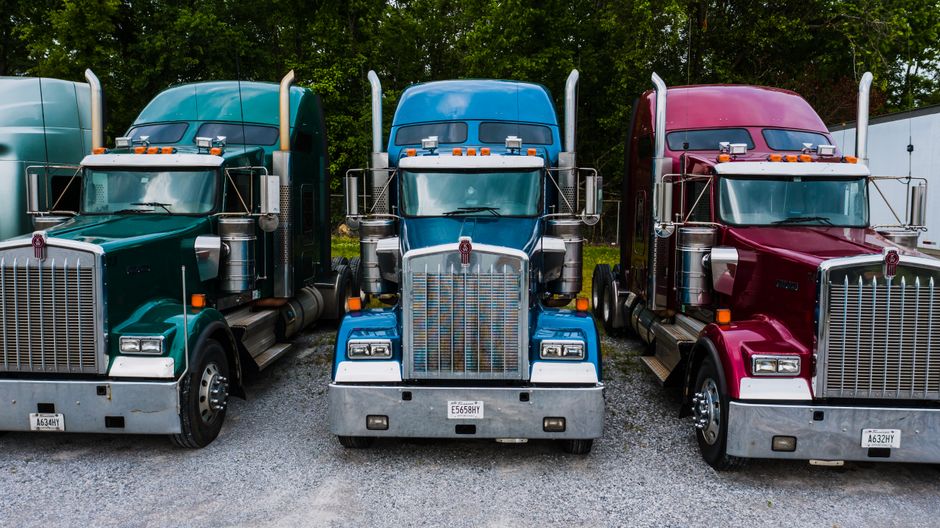
Most people shipping a car for the first time have never had to choose between open and enclosed transport. Here is what each one actually means, what it costs you in trade-offs, and how to decide which fits your vehicle out of the Los Angeles area.
What Open Carrier Transport Is
Open carrier transport is the standard method you already see on the highway: a multi-level trailer carrying several vehicles at once, exposed to the weather and road conditions like any other car on the road.
It is the most common and most economical way to ship a vehicle nationwide, and it is what most daily commuter cars, trucks and SUVs travel on. The vast majority of vehicles shipped in the United States move this way, simply because it works well for ordinary cars.
Open transport is also usually the faster option when you need a carrier quickly, since more trucks on the road run open trailers than enclosed ones, which means there are simply more opportunities for your vehicle to be matched with a truck heading your direction.
What Enclosed Carrier Transport Is
Enclosed carrier transport puts your vehicle inside a fully covered trailer, shielded from rain, road debris, dust and the eyes of anyone driving past on the highway.
It costs more than open transport because fewer vehicles fit on an enclosed trailer, which means fewer vehicles are splitting the cost of that trip. In exchange, your car gets more protection for the entire distance it travels, from pickup to delivery.
When Open Transport Makes Sense
For a daily driver, a standard commuter vehicle, or any car that already spends most of its life parked outside in normal weather, open transport is generally the practical choice. It is also the faster option to book, since more carriers run open trailers than enclosed ones, which can matter if your timeline is tight.
There is nothing lower-quality about open transport. It is simply the standard method, the same way most furniture moves in an open moving truck rather than a climate-controlled one.
Insurance coverage is included on open transport quotes as well, so choosing the more economical option does not mean giving up protection for the trip.
When Enclosed Transport Is Worth It
Enclosed transport is worth the extra cost for delicate, exotic or luxury vehicles, classic cars with original paint or trim, or any vehicle where a chip from road debris would be a real financial loss rather than a cosmetic annoyance.
Hilton Auto Transport, based in Torrance in the greater Los Angeles area, also offers a VIP enclosed carrier service built specifically for this kind of shipment, with insurance coverage included on every quote just as it is with open transport.
It is also a common choice for a vehicle that is not being driven day to day, such as a car headed to storage, a dealership, or an auction, where the goal is to protect resale value rather than get from one commute to the next.
How to Decide
Ask yourself what would happen if your car arrived with a small scratch or a layer of road grime. For most everyday vehicles, that is a non-issue and open transport is the sensible pick.
For a vehicle you would hesitate to park next to a shopping cart, or one that would lose real resale value from a minor mark, enclosed transport is worth the difference. If you are genuinely unsure, describe the vehicle when you request a quote and ask which option makes sense for it.
If you are shipping more than one vehicle and only one of them needs the extra protection, you can usually book them on different services rather than paying for enclosed transport across the board.
The Trade-Off in One Sentence
Open transport is faster to book and less expensive; enclosed transport costs more but shields your vehicle from everything the highway can throw at it.
Not sure which option fits your vehicle? Call Hilton Auto Transport and describe your car, and we will recommend open or enclosed transport based on what you actually have.