How to Prepare Your Car for Nationwide Shipping
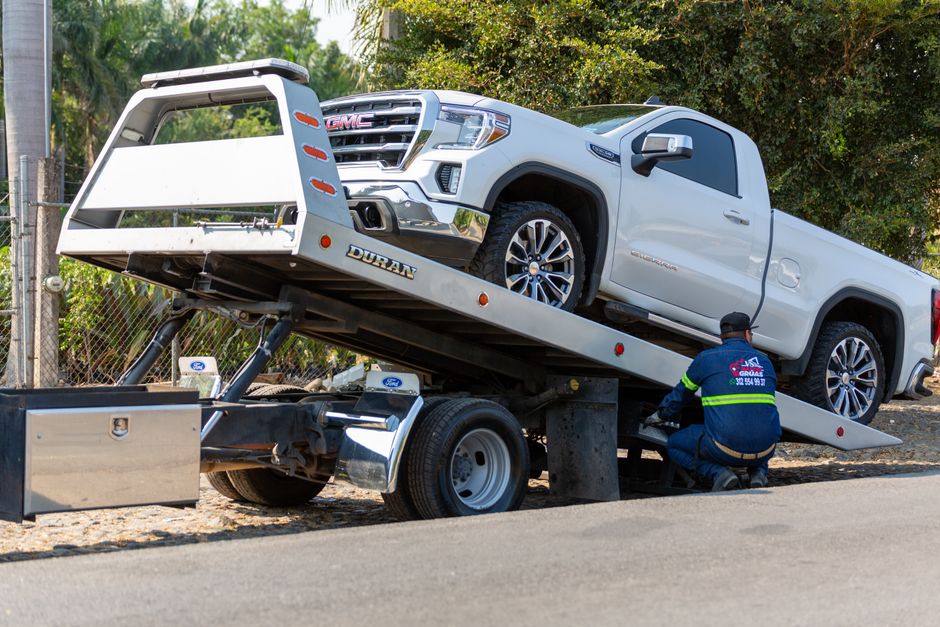
A little preparation before pickup day makes vehicle shipping go faster and gives you a clear record of your car's condition. None of this takes more than an hour, but skipping it can make a small dispute harder to sort out later.
Clean Your Car Inside and Out
A clean vehicle makes it much easier to spot any new marks at delivery that were not there at pickup. Wash the exterior and clear out the interior before the carrier arrives.
This is a small step, but it removes the guessing game of whether a mark was already there under a layer of dust, which saves everyone a conversation neither side wants to have.
Document the Existing Condition
Take clear photos of your vehicle from all four sides, plus close-ups of any existing scratches, dents or chips, before it is loaded. Note the mileage as well, and keep a timestamp on the photos if your phone supports it.
This gives you and the carrier a shared reference point, and it is standard practice across the auto transport industry, not something specific to any one company. A driver doing a proper pickup inspection will usually want to do the same thing on their own paperwork.
If you have a small dashcam or a phone mount that stays in the vehicle, note that separately too, since it counts as an accessory rather than part of the vehicle's structure.
Remove or Secure Personal Items
Carriers generally do not allow personal belongings inside the vehicle during transport, since most auto transport insurance covers the vehicle itself, not items left inside it. Take out anything loose, and remove toll transponders and parking passes so they do not rack up charges in transit.
If you must leave a small number of lightweight items in the trunk, ask ahead of time whether that is allowed and keep the weight minimal. Do not assume it is fine without checking.
This also applies to aftermarket accessories that are not permanently mounted, like a phone holder or a removable trailer hitch cover, since anything loose can shift or go missing in transit.
Check Fluids and the Battery
Your vehicle should have enough fuel to load and unload, generally around a quarter tank, but not much more since it adds weight to the shipment. Check for fluid leaks and make sure the battery is charged, especially if the car has been sitting for a while or is being shipped after a sale.
A vehicle that will not start on its own can usually still be shipped, but it needs to be flagged as inoperable when you book, since it changes how it gets loaded.
If your car has any active warning lights, mention them when you book, since a driver doing the pickup inspection will likely ask about them anyway and it saves a conversation on pickup day.
Confirm the Pickup Details
Confirm the pickup address, a working phone number, and who will be present to hand over the keys and do the walk-around inspection with the driver.
If anything about the pickup location changes, tell your transport company as soon as you know, since a large carrier truck may need extra room to maneuver depending on the street, and a narrow driveway or a low-hanging tree branch can change where the actual pickup happens.
It also helps to let a neighbor know a large truck may be parked on the street briefly during loading, especially in a tighter residential area.
What to Do Right Before the Driver Arrives
On pickup day, do one last walk around the car, make sure it is unlocked and accessible, and have your photos ready on your phone in case you want to compare notes with the driver's own inspection sheet.
Keep a spare key somewhere you can access quickly rather than leaving it inside the vehicle, and make sure the parking brake situation matches what the driver expects before loading.
Ready to schedule pickup? Request a quote from Hilton Auto Transport and we will walk you through exactly what to expect on pickup day.